


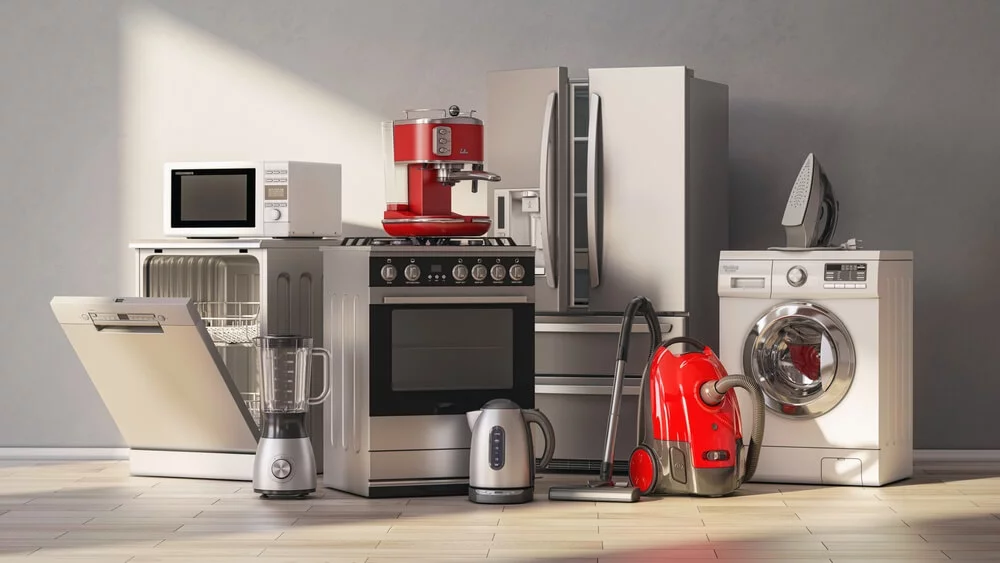
We’ve all said it at some point. You buy a new toaster, a pair of jeans, or a washing machine, and within a couple of years, it’s ready for the landfill. Meanwhile, your grandmother’s cast-iron skillet from the 1950s is still cooking perfect eggs, and that vintage leather jacket you found at a thrift store looks better than the day it was made.
It’s not just nostalgia talking. There are real, tangible reasons why older goods tend to outlast their modern counterparts. For value-driven buyers looking to secure their investments and avoid the constant cycle of replacing broken items, understanding these differences is key to unlocking hidden gems.
Superior materials: The foundation of longevity
One of the most obvious differences between vintage and modern goods is what they are made of. In the past, manufacturers prioritized durability because consumers expected their purchases to last a lifetime.
Furniture was often crafted from solid hardwoods like oak, mahogany, or walnut, rather than the particle board and veneer common today. Clothing was made from natural fibers like heavy cotton, wool, and leather, which are more resistant to wear and tear than the thin, synthetic blends found in fast fashion.
When you buy a vintage item, you are often paying for raw materials that would cost a fortune in today’s market. This inherent quality means the item can withstand daily use far better than cheaper modern alternatives.
Why craftsmanship matters
It isn’t just about the wood or the metal; it is also about how those materials were put together. Before mass automation took over, human hands played a much larger role in the manufacturing process.
Skilled laborers used techniques designed for strength, such as dovetail joints in drawers or Goodyear welts in shoes. Perhaps most importantly, older goods were designed to be repaired. If a part broke on a 1970s vacuum cleaner, you could usually unscrew the casing and replace that specific part.
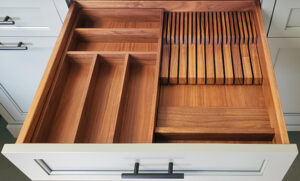
Today, many products are glued or molded together. This makes them cheaper to produce but nearly impossible to fix. According to the UN’s Global E-waste Monitor, one of the main challenges contributing to the massive rise in electronic waste is limited repair options. When modern items break, they are often destined for the trash simply because they weren’t built to be opened.
What is planned obsolescence?
Have you ever felt like a product was designed to fail right after the warranty expired? That phenomenon is called planned obsolescence. It is a business strategy where manufacturers artificially limit the useful life of a product to encourage you to buy a replacement sooner.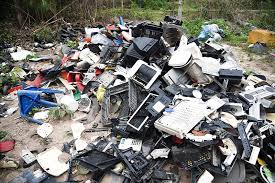
This concept isn’t new, but it has become much more aggressive. In the tech world, this might look like software updates that slow down older phones or batteries that cannot be replaced. In fashion and home goods, it manifests as “obsolescence of quality”—using inferior parts that wear out quickly—or “obsolescence of desirability,” where marketing convinces you that your perfectly functional item is out of style.
By choosing vintage, you are essentially opting out of this cycle. You are choosing items from an era where the goal was often to build the best product possible, not just the one that would generate the next sale fastest.
The environmental impact of buying vintage
Choosing vintage isn’t just good for your wallet; it is a powerful way to vote for a healthier planet. The environmental cost of constantly manufacturing new goods is staggering.
Take the fashion industry, for example. Over the last 20 years, the amount of time we keep our clothes has decreased by 36%. We are buying more and throwing it away faster. This “fast fashion” model is resource-intensive and creates massive amounts of waste.
Similarly, the world generated a record 62 billion kilograms of e-waste in 2022. Buying older electronics or appliances keeps them out of landfills and reduces the demand for new resource extraction. When you buy a pre-loved item, you are extending its life cycle and reducing your carbon footprint.

Secure your wealth with quality that lasts
In a world of disposable products, vintage goods offer a rare combination of style, history, and unmatched durability. Whether you are hunting for a sturdy piece of furniture, a classic watch, or high-quality tools, buying older items is often the smarter financial move.
You get superior materials and craftsmanship for a fraction of what a comparable new item would cost—if you could even find one. Next time you need something for your home or wardrobe, consider looking back before you look forward. You might just find something that was truly built to last.


Recent Comments